IGD: Three ways online is adapting due to coronavirus | Progresiv
Research company IGD has been continually monitoring the latest developments from retailers and manufacturers globally over the past few weeks. In this article it highlights three ways retailers are and could further adapt their online operations to deal with the on-going effects of the pandemic. 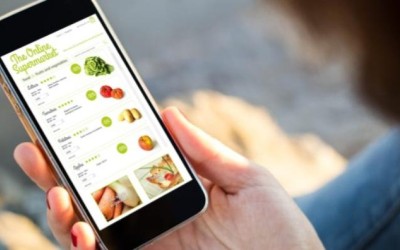
1. Making online groceries available for those most in need
We have seen retailers around the world flex their store opening hours to improve product availability, support staff and ensure there are dedicated times set aside for elderly, disabled and emergency service personnel to gain access to food and grocery products.
There has been a growing demand for grocery delivery services, with governments in many countries encouraging people to stay at home and use food delivery services where possible. Retailers are already starting to think about how online grocery services can support these same groups. These types of solutions will be particularly relevant for elderly customers, who are both at higher risk of Coronavirus infection and who might not previously have chosen to shop online for groceries and be familiar with the process.
Retailers will increasingly implement new ways for those most in need to get guaranteed delivery slots, as well as ways these key customer groups can ‘jump the queue’ and ensure they have products delivered in a timely fashion. It will be interesting to see how retailers develop further solutions, such as food parcels, meal kits or prescription / medical delivery services for elderly people in the coming weeks. As well as how retailers start to ensure that hospital and emergency service staff are prioritised as well. Another solution we could see is retailers starting to roll out new lockers, remote pick up points or vending solutions, at hospitals and other locations, to help meet demand and further reduce social contact.
2. Using stores to better fulfil online orders

The demand for online grocery orders in China throughout the pandemic reached new heights, while retailers globally have found it difficult to keep up with the surge in demand for online grocery services. This has led to them either closing down websites or limiting fulfilment methods, such as click & collect.
We have seen retailers in some markets start to get smarter at how they use stores to meet this growing demand. Large format retailers have started to set aside space to dedicated picking zones with frequently bought staple products, to ensure both availability of core items and to improve picking efficiency. While we have also seen other retailers use existing and new partnerships with third party logistic companies to help fulfil more orders. With orders that are ready to be delivered lined up at the front of stores for faster shipping.
With people now being asked to self-isolate as much as possible, could we start to see retailers divert more in-store space towards fulfilling online orders, or even closing some stores temporarily to convert them into micro-picking sites to help them increase capacity and have picking taking place around the clock.
3. Adapting delivery methods further
Home delivery of online groceries in most cases still requires some form of human contact, with retailers having been quick to adapt their services to offer doorstep drop off. In China, we have seen retailers like JD.com use its fleet of autonomous delivery vehicles to deliver products to coronavirus hit hospitals in Wuhan, reducing this even further. With many markets and retailers not having this capability, retailers will need to be even more inventive in the coming weeks in terms of both securing the quantity of delivery drivers and vehicles to meet demand, as well as keeping human to human contact to a minimum.
We might see retailers start to adopt a more agile approach to how they deploy their fleet of vehicles. For examples, in China at the height of the pandemic, Alibaba was using buses to deliver orders from its Freshippo stores to try to keep up with demand. Another obvious solution to the shortage of vehicles and delivery drivers is for retailers to roll out more click & collect slots and locations. To avoid human contact, we could start to see the introduction of more drive through click & collect locations, both at stores or at remote locations. We could also see new click & collect locations in high demand or densely populated areas where car ownership is low. (retailanalysis.igd.com)