GLOBAL: Sugar tax needed in war on obesity, WHO says | Progresiv
The World Health Organisation has called for the introduction of a "sugar tax" on soft drinks in a major report on childhood obesity. The move increases pressure on the Government as it prepares to issue its own strategy for tackling obesity in the UK. 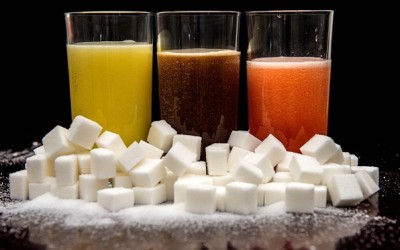
The new report by WHO's Commission on Ending Childhood Obesity says there is strong evidence that a sugar tax can work alongside other measures, such as tackling big portion sizes and unclear food labelling.
It also calls for a crackdown on the marketing of junk food to children and for schools to ban the sale of unhealthy food.
Britain's obesity levels are the second worst in Europe, with only Hungary faring worse, latest figures show. The report states: "Childhood obesity is at crisis level in many countries and poses an urgent and serious challenge. The increasing rates of childhood obesity cannot be ignored and governments need to accept the responsibility to address this issue, on behalf of the children they are ethically bound to protect. "A failure to act will have medical, social and economic consequences of major magnitude. "
Prime Minister David Cameron has previously said he does not see the need for a sugar tax, but in recent weeks there have been suggestions of a shift in his position, with statements saying that a tax has not been ruled out.
The Government's childhood obesity strategy, due next month, could call for such taxes, and is expected to set out plans for restrictions on advertising of junk foods to children, and a clampdown on deals on such foods.

The new WHO report says: "Overall, the rationale for taxation measures to influence purchasing behaviours is strong and supported by the available evidence. The Commission believes there is sufficient rationale to warrant the introduction of an effective tax on sugar-sweetened beverages."
Members of the Commission said it was no longer sufficient to rely on "simple codes" for food labelling such as the traffic lights system popular in the UK.
They called for tighter regulations around the marketing of food and drinks to children "to reduce the exposure of children and adolescents to, and the power of, the marketing of unhealthy foods".
The main sources of sugar include soft drinks, table sugar, confectionery, fruit juice, biscuits, buns, cakes, pastries and puddings and breakfast cereals.
Soft drinks (excluding fruit juice) are the largest single source of sugar for children aged 11 to 18. They provide 29 per cent of daily sugar intake, on average, for this age group. (www.telegraph.co.uk)