GfK: Domestic consumption slowed its growth pace in 2019 | Progresiv
During 2019, domestic purchases of consumer goods registered a modest growth of 2.2% in Romania, according to data from the GfK Consumer Panel. Under the influence of rising food prices on average by 5.6% (according to Eurostat), Romanians bought the same volumes, but chose lower price segments. Compared with previous years, in 2018, the market growth rate was double, while in 2017 the market registered an advance of over 7%. 
Regarding the behavior of purchasing for at home, the families from Romania went to shopping more rarely during the last year than in 2018, but they paid on average 2 lei more for a visit to the store.
How trade channels have evolved
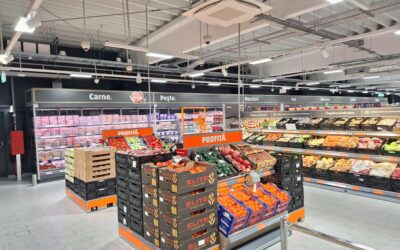
From the perspective of the purchase of consumer products for domestic use, the modern retail channels also continued to gain ground in 2019 in front of the traditional formats and reached 64% market share. Discount stores are the ones that supported most of this growth as a result of the fact that Romanians bought more often from these formats. Proximity stores also continued their growth in shopping for at home and gained new buyers. In contrast, hypermarkets, supermarkets, but also stores owned by traditional retailers were rarely visited for household shopping.
Fresh foods, on a downward trend in 2019
With the exception of fresh foods (fruits, vegetables, meat, eggs), all large segments of consumer products increased during the year 2019. The Romanians increased their spending the most for the products for the care and cleaning of the house, but also for dairy products (especially for yogurt, kefir, cheese specialties or cream cheese).


And for drinks, Romanians spent more in 2019 compared to the previous year, especially for soft drinks and bottled water. A similar growth rate also took place for personal care products, especially hair care products. However, the food segment did not grow as fast. Among them, however, there are exceptions for food groups where there was more dynamism, such as snacks and canned foods.