European spirit-makers agree to calorie content labels | Progresiv
Europe’s spirit-makers recently announced plans to list the number of calories and ingredients in spirit drinks, as businesses and regulators step up efforts to cater to healthier lifestyles. 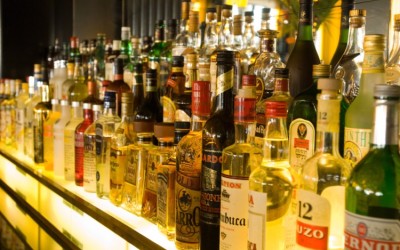
Alcoholic beverages have been exempt from EU labelling rules that are in force for all other food and drinks.
The European Commission has, however, called on the sector to come up with a plan to regulate itself amid general interest for healthier eating and drinking habits.
The European consumer organisation BEUC has reported that, with Europe facing an obesity crisis, calorie content labelling for alcohol is a necessity.
In March 2018, the sector came up with an initiative to provide more information about energy content and ingredients, but, at the time, critics said that if much of the information was available only online, it was not realistic to expect all consumers to have access to it.
Trade body SpiritsEUROPE, which represents national organisations and multinationals, reported that it had recently signed an MoU in which the spirits sector committed ‘to provide energy information on label together with full ingredient listing and detailed product-specific information online’.

The non-binding agreement does not cover wine or beer.
The MoU was signed by 31 national organisations and six spirit-makers. The six were Diageo, Pernod Ricard, Moët Hennessy, Rémy Cointreau, Bacardi-Martini and Beam Suntory.
Italy’s Campari, Brown-Forman and Edrington – all spiritsEUROPE members – did not sign the MoU.
“It’s an important commitment, which covers a large part of the European spirits industry,” Christian Porta, president of spiritsEUROPE and managing director of global business development at Pernod Ricard, told Reuters.
Labelling should become effective within six months, in December 2019, for all new bottles produced.
Labels will provide energy values per 100 millilitres, as for standard drinks, but also per ‘recommended serving’ – something about which the spirits industry has been keen because of the smaller measures used for whisky, gin and vodka.
The MoU has a timetable calling for one in four bottles placed on the EU market to include on-label energy information by the end of 2020. That is then set to rise to 50% and 66% by the end of 2021 and 2022, respectively.
The signatories will work with the Commission to monitor the impact and effectiveness of the initial framework, with two meetings planned per year to review progress made. (www.esmmagazine.com)