The controversial Romanian products bill has been adopted | Progresiv
The Chamber of Deputies, which is the decisional forum, approved the bill which require large retailers to provide from local production 51% of their offer of meat, vegetables, fruits, milk, bread, honey and eggs. The law was passed unanimously and will take effect after being published in the Official Monitor. 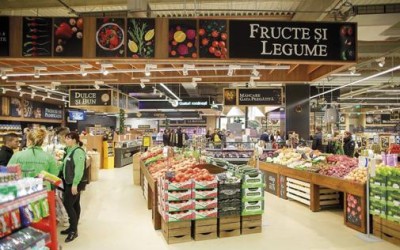
Apart from making compulsory the offer of 51% Romanian products from the short supply chain, the 321 bill stipulates other changes impacting the retail market, such as the elimination of shelf taxes for Romanian producers, establishing a payment period of 7 days for fresh produce. Exception to this law are traders who make an annual net turnover or have total active assets up to 2 million euros.
The new rules will be applied immediately after publication in the Official Monitor, except the provision that obliges retailers to provide 51% shelf space for local products, which will be applied after 6 months from the date of publication.
The bill that requires supermarkets to sell products from the "short supply chain" (local and regional), in proportion of 51%, had been sent back in Parliament at the Agriculture Committee, which sent it to the Chamber of Deputies without bringing any changes. According to the draft law, "traders legal persons authorized to carry out food commerce activities are obliged, for the categories: meat, vegetables and fruits, to purchase these products in proportion of at least 51% from the short supply chain as defined in the Common Agricultural Policy of the European Union. As an exception, during the winter months, from December to February, imported fruits and vegetables can amount to a maximum of 70% of the offer on each category of the traders mentioned".
Shortly after the vote on the new law in Parliament, the Large Retailers Association in Romania (AMRCR) submitted its strongly negative reaction, mentioning the possible "disastrous effects on the local economy" generated by state intervention in the commercial relationship between producers and retailers.