Eastern Europeans protest against lower quality foodstuffs | Progresiv
The Visegrad countries have teamed up against differing standards for the quality of foodstuffs sold in their respective countries. 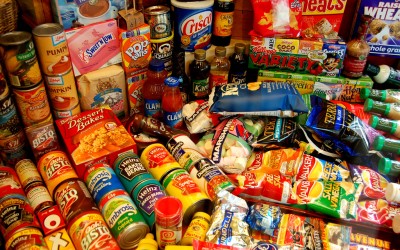
Slovakia, the Czech Republic and Hungary raised the topic at the 6 March meeting of the EU’s Agriculture and Fisheries Council. Ministers were briefed on the issue of food products sold in different EU countries (often from the same producer) with the same name and packaging, but with a different level of quality, taste and ingredients depending on the country.
In particular, the three countries shared the results of a series of tests carried out on products with differing quality, and asked the Commission to consider proper action, including legislation at EU level, if needed.
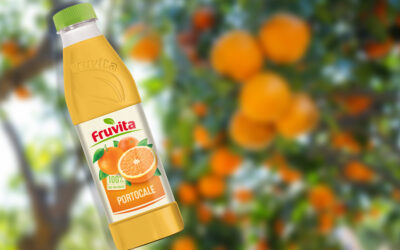
The Slovak Ministry of Agriculture tested the same 22 products bought in Slovakia and Austria. Half, the report said, are different in taste and composition. For example, a German fruit juice in Austria actually contained fruit, whereas the same product sold in Slovakia didn't have any.
The non-alcoholic beverages for the Slovakian market contained artificial and cheaper sweeteners, and meat products contained less meat; the tea had a weaker taste and is sold in lower quality bags.
Hungary’s Food Safety Agency (NEBIH) examined 24 products that international chains such as Lidl and Aldi sell in Hungary and Austria. The results showed, among other things, that the Hungarian version of the Manner wafer is less crunchy, while Nutella from the Hungarian shops is less creamy compared to the version sold in Austria.

Although delegations highlighted that these products are often safe and labelled in conformity with EU law, they also warned against this practice potentially misleading the consumers and creating unfair competition.
The Commission explained that work on the issue would continue in the context of the Consumer Protection Cooperation Network, which enforces EU consumer protection laws, and in the high-level Forum for a Better Functioning Food Supply Chain, which helps to develop policy in the food and drink industry.
For their part, many manufacturers admitted that they sometimes change the recipes of certain products to adapt them to the wishes and preferences of local consumers. (www.esmmagazine.com)